Flying Shoes: A Designer’s Review for Craft Fair Success
As an experienced embroidery designer who has spent countless weekends behind a booth table, I know that the difference between a glance and a sale often comes down to visual impact. When I first loaded the Flying Shoes machine embroidery design into my software, I was immediately struck by its playful energy. This is not a subtle, quiet motif; it is a bold statement piece. The concept of sneakers with wings taps into a modern, whimsical aesthetic that resonates deeply with today’s handmade market consumers. For those of us creating small shop products, finding designs that balance trendiness with broad appeal is crucial, and this design delivers on both fronts.
First Impressions and Visual Appeal
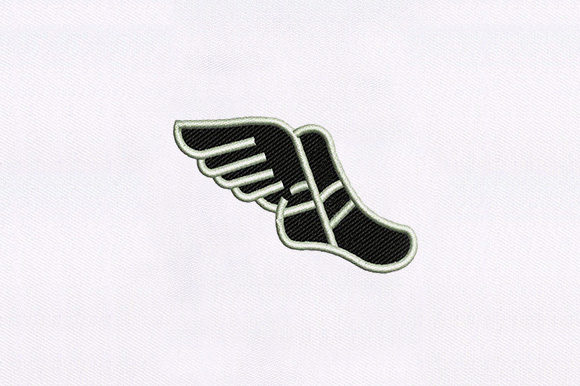
The immediate vibe of Flying Shoes is fun, active, and slightly retro. It feels less like traditional farmhouse decor and more like a vibrant addition to contemporary Clothing and lifestyle accessories. In a crowded craft fair environment, you need items that pop from three feet away. The winged sneaker motif is instantly recognizable and carries a sense of motion and freedom. This makes it an excellent candidate for customers looking for unique, conversation-starting pieces rather than generic home goods. The design feels premium because of its conceptual cleverness, elevating a simple object into something imaginative.
When evaluating how this performs as a finished product, clarity is key. The silhouette of the shoe combined with the wings creates a strong graphic shape. This is vital for embroidery because complex, muddy details often get lost in thread. Flying Shoes maintains its integrity even when viewed from a distance, ensuring that your craft fair product stands out in a busy display.
Strategic Product Placement for Maximum Sales
Not every design works on every item. Through years of trial and error, I have learned that placement dictates profitability. Here is how I would strategically deploy Flying Shoes across various handmade products:
- Tote Bag Design: This is arguably the strongest application. A large-scale version of Flying Shoes centered on a canvas tote creates an instant bestseller. Shoppers love functional art, and this design turns a grocery bag into a fashion statement.
- Apron Embroidery: For the culinary crowd, placing this on a bib apron adds personality. It suggests movement and energy, perfect for someone who loves to cook but doesn’t take themselves too seriously.
- Tea Towel Embroidery: Use caution here. While cute, the design must be scaled down significantly. Ensure the details remain crisp on the textured fabric of a waffle weave or linen towel.
- Embroidered Patch: Creating iron-on or sew-on patches is a low-risk, high-reward strategy. Patches allow customers to customize their own jackets or bags, increasing the perceived value of your digital embroidery file offerings if you sell DIY kits.
- Caps and Hats: This design works well on the front panel of a dad hat or trucker cap. However, you must account for the curved surface. The wings should not distort over the seam lines.
Beyond these, consider pillow covers for a teen’s room or market bags for eco-conscious shoppers. The versatility of Flying Shoes allows it to cross over from pure apparel into home decor, broadening your customer base at the fair.
Production Practicalities and Batch Efficiency
For an Etsy seller or boutique maker, time is money. One of the biggest advantages of Flying Shoes is its potential for batch production. Because the design relies on strong shapes rather than intricate, microscopic detailing, it stitches out relatively quickly compared to photorealistic portraits. This efficiency allows you to produce multiple units in a single day, keeping your inventory stocked for peak seasons.
Photography is another critical factor. This design photographs exceptionally well for online listings. The contrast between the sneaker and the wings creates natural depth, making it easy to create eye-catching social media content. When you create a printable mockup for your digital store, the dynamic angle of the shoes adds visual interest that flat designs lack. This helps in converting browsers into buyers, whether they are purchasing the physical item or the design assets.
Technical Considerations and Careful-Use Notes
While Flying Shoes is a strong performer, successful execution requires attention to technical details. As a professional, I always advise testing before committing to final stock. Here are specific areas to watch:
- Stitch Density: Check the density settings in your software. If the wings are too dense, they may cause puckering on lightweight fabrics like cotton tea towels. Adjusting the underlay can help stabilize these areas.
- Fabric Texture: Thick fabric such as denim or canvas handles this design beautifully. However, on textured towels, ensure the stitch length is appropriate so the threads do not sink into the pile, losing definition.
- Thread Colors: Contrast is your friend. Use bright, vibrant thread colors for the sneakers to make them pop against neutral backgrounds. Avoid using similar shades for the shoe and the wings, as this will blur the design’s impact.
- Hoop Size: Confirm the hoop size required for your intended product. A larger hoop allows for a bigger, more impressive design on tote bags, while a smaller hoop is necessary for caps. Always check the specific dimensions provided in the commercial embroidery files.
- Stabilizer Selection: Use a cut-away stabilizer for stretchy fabrics like t-shirts to prevent distortion. For woven fabrics like aprons, a tear-away may suffice, but test first to ensure the design remains flat.
It is also important to note that tiny details can sometimes get lost if the design is scaled down too much for small pouches or coin purses. Always do a test stitch on scrap fabric to verify clarity at your chosen size.
Building Brand Consistency and Buyer Engagement
Incorporating Flying Shoes into your lineup can strengthen your brand identity if you position it correctly. It signals that your brand is modern, fun, and high-quality. When customers see consistent use of bold, well-executed designs like this, they begin to trust your craftsmanship. This trust translates into higher engagement at your booth and more repeat customers online.
Furthermore, this design encourages interaction. People are drawn to the whimsy of flying sneakers. It invites questions and smiles, which are the first steps in building a rapport with potential buyers. Whether you are selling the finished product or the digital embroidery file, the emotional connection this design fosters is a powerful sales tool.
Final Designer Recommendations
Before you launch Flying Shoes into your production line, take these final steps. First, verify the license terms. Since this is a commercial embroidery product, ensure you have the right to sell finished items made with this design. Second, create at least one real-world mockup. Digital renderings are helpful, but seeing the thread sheen and texture in person will help you decide on the best fabric pairings. Finally, compare different fabric colors. A white sneaker on a black tote looks striking, but a neon sneaker on a pastel bag might appeal to a different demographic.
Flying Shoes is more than just a pattern; it is a versatile asset for any creative entrepreneur. By understanding its strengths and respecting its technical requirements, you can turn this trendy embroidery of a pair of sneakers with wings into a cornerstone of your craft fair success. Remember, the goal is not just to embroider, but to create desire. With careful planning and quality execution, this design can soar in your shop.