Chair Embroidery Design: A Craft Fair Seller’s Review
As an embroidery designer who has spent countless weekends standing behind booths at local markets, I have learned that not every digital file translates into a bestseller. When I first loaded the Chair machine embroidery design onto my hoop, I was looking for more than just clean stitches. I was looking for marketability. In the competitive world of handmade goods, a design must stop a scrolling thumb online and halt a wandering shopper in person. This review breaks down how this specific House category Embroidery asset performs when moved from the computer screen to physical products.
First Impressions and Market Fit
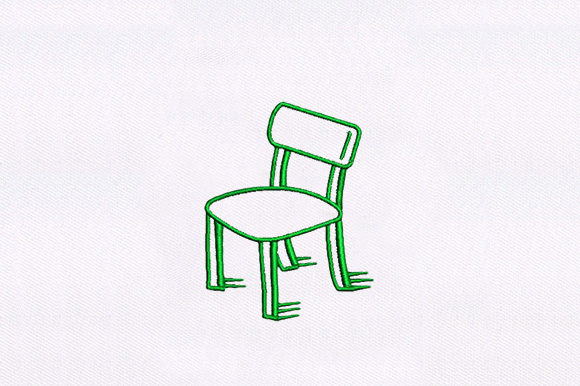
The initial glance at the Chair design suggests a strong aesthetic appeal that leans toward the rustic, farmhouse, or cozy home decor niche. For craft fair sellers, this is a significant advantage. Shoppers at weekend markets are often looking for items that evoke warmth and comfort. A chair motif naturally signals "home," making it an intuitive choice for housewarming gifts, bridal showers, or anyone looking to add personality to their living space.
The design does not feel overly complex or cluttered. Instead, it offers a balanced silhouette that reads clearly from a distance. This clarity is crucial for booth displays where customers may be walking past your table at speed. If they cannot identify the subject matter within three seconds, you have likely lost their attention. The Chair passes this test with flying colors, offering a bold yet approachable visual that fits seamlessly into the current trend of curated, handmade home interiors.
Versatility Across Product Lines
One of the strongest selling points of this digital embroidery file is its adaptability. As a small shop product creator, you need designs that can stretch across multiple inventory categories without losing their charm. Here is how Chair performs on various substrates:
- Tote Bag Design: Placed centrally on a canvas tote, the design becomes a statement piece. It appeals to book lovers and market-goers who appreciate literary or home-centric aesthetics.
- Apron Embroidery: For kitchen-focused buyers, stitching this onto a linen or cotton apron creates an instant narrative of hospitality and cooking. It transforms a utility item into a giftable keepsake.
- Tea Towel Embroidery: This is perhaps the most natural fit. The horizontal or vertical orientation of a chair often complements the hem of a tea towel perfectly, creating a high-margin, low-cost item that sells quickly at fairs.
- Embroidered Patch: If scaled down correctly, this design works well as an iron-on or sew-on patch. Patches are impulse buys, and a cute chair icon can attract younger demographics looking to customize denim jackets or backpacks.
- Pillow Covers and Fabric Pouches: On textured fabrics like linen or canvas, the design adds a premium touch. It elevates a simple zippered pouch into a branded accessory.
Production Practicality and Batch Efficiency
From a production standpoint, time is money. When preparing for a craft fair, I need designs that are reliable and repeatable. The Chair design appears to be optimized for efficient stitching. However, success depends on managing several technical variables. You must check the stitch density to ensure it does not pucker lightweight fabrics like voile or thin cotton. Conversely, if the design is too sparse, it may look cheap on heavy denim or thick towel material.
Because this is a digital embroidery file available in numerous formats including DST, PES, JEF, and EXP, compatibility with major machines is rarely an issue. However, always verify the hoop size requirements before starting a batch. If the design requires a large hoop, it limits your ability to produce small items like coin purses or key fobs efficiently. For best results, I recommend testing the design on scrap fabric identical to your final product material. This allows you to adjust tension and stabilizer choices before committing to expensive blanks.
Navigating Technical Challenges
While the design is robust, there are careful-use notes to consider. Dense stitch areas can cause thread breaks if you are using lower-quality threads. Ensure you are using high-grade polyester or rayon thread to maintain sheen and durability. Additionally, tiny details within the chair’s structure may get lost if the design is resized significantly smaller. Always maintain the aspect ratio and avoid shrinking the design below the manufacturer’s recommended minimum size.
Fabric texture also plays a role. On highly textured towels, finer details may sink into the pile. In such cases, using a cutaway stabilizer rather than tear-away can provide the necessary support to keep the stitches raised and visible. For curved surfaces like caps, the design might require additional stabilization or a different placement strategy to prevent distortion during wear.
Boosting Visual Appeal and Brand Consistency
Incorporating Chair into your product line helps strengthen brand consistency if your shop focuses on home goods. It creates a cohesive look across your Etsy listings and physical booth display. When customers see the same motif on a tote, a towel, and a pillow, they perceive a curated collection rather than random items. This perception increases the perceived value of each finished product.
Photography is another critical factor. This design photographs well because of its clear lines. When creating printable mockups or listing images for your online store, ensure good contrast between the thread colors and the fabric. Neutral threads on dark fabric or vibrant threads on light linen both work, but you must test these combinations. A well-lit photo that highlights the texture of the embroidery can significantly boost buyer engagement and click-through rates.
Final Verdict for the Handmade Entrepreneur
The Chair machine embroidery design is a solid addition to any craft fair seller’s library. It bridges the gap between decorative art and functional design. Whether you are an Etsy seller looking to expand your home decor category or a boutique maker focusing on personalized gifts, this asset offers flexibility and visual appeal.
Before launching your campaign, remember to confirm commercial licensing terms. While the file formats provided—such as VIP, VP3, XXX, and ART—ensure broad machine compatibility, the license dictates how you can sell the finished goods. Once cleared, use this design to create a small batch of sample items. Place them prominently in your booth to gauge customer reaction. You will likely find that the simplicity and warmth of the chair motif resonate deeply with shoppers looking for authentic, handmade quality.
By focusing on practical production tips, understanding fabric interactions, and leveraging the design’s natural aesthetic, you can turn this single digital file into a profitable segment of your handmade business. Keep your stabilizer handy, check your thread tension, and let the design do the talking.