Love Bug: A Craft Fair Embroidery Review
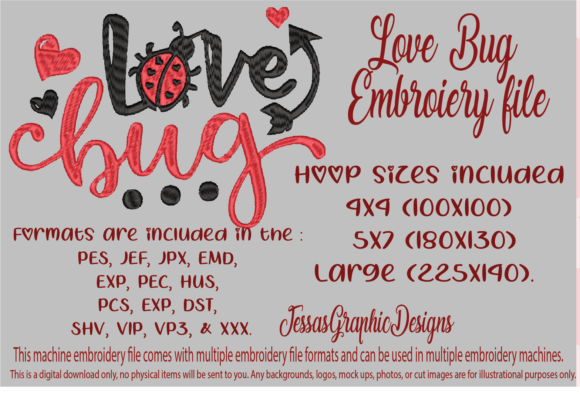
As an embroidery designer who has spent countless weekends standing behind booth tables, watching customers browse handmade goods, I have learned that not every design translates equally well to the physical marketplace. Some designs look stunning on a screen but vanish in person, while others become instant bestsellers because they catch the eye and tell a story immediately. Recently, I reviewed Love Bug, a high-quality embroidery design described as fun, easy to stitch, and versatile enough for shirts, dresses, bibs, hats, quilts, and pillows. From the perspective of a craft fair seller preparing for a busy Valentine S Day market, here is my professional assessment of how this design performs in the real world.
First Impressions and Visual Appeal
The first thing I look for in a potential craft fair product is immediate recognizability. Customers walking past a booth have only seconds to decide whether to stop. The title Love Bug suggests a playful, affectionate aesthetic rather than something overly formal or rigid. Based on the description, this design feels approachable and cheerful. It does not scream "high-end luxury" in a cold, distant way; instead, it invites connection. For a boutique maker, this is gold. It fits seamlessly into categories like farmhouse cute, modern whimsical, or soft festive.
When evaluating Love Bug for a display, I imagine it stitched in bright reds, soft pinks, or even unexpected neutrals like sage green or mustard yellow. The versatility mentioned in the product description means it is not locked into a single seasonal box, although it naturally shines during Valentine S Day. The key to its visual appeal lies in its simplicity. Complex designs with thousands of stitches can sometimes look muddy from a distance, but a design that is "easy to stitch" often relies on clean lines and open spaces, which read clearly across a crowded room.
Product Suitability and Market Placement
Not every embroidery file works on every substrate. One of the strongest selling points of Love Bug is its claimed adaptability. Let us break down where this design truly earns its keep in a small shop product lineup.
- Tote Bags and Market Bags: This is arguably the best application. A tote bag offers a large, flat canvas. Stitching Love Bug centrally on a natural cotton canvas creates a statement piece that is both functional and decorative. It transforms a basic utility item into a giftable handmade product.
- Aprons and Tea Towels: Kitchen textiles are staples at craft fairs. An apron with a chest-pocket placement of this design adds personality without overwhelming the garment. For tea towel embroidery, ensure the design scale is appropriate so it does not get lost in the weave of the fabric.
- Caps and Hats: Curved surfaces are tricky. If Love Bug has dense stitch areas, it may pull on the cap fabric. However, if it is indeed simple and airy, it could work beautifully on the front panel of a dad hat or baseball cap, appealing to a younger demographic.
- Pillows and Quilts: For home decor, this design acts as a charming accent. On a pillow cover, it serves as a focal point. On a quilt, it could be repeated as part of a larger pattern, showcasing the repeatability of the digital embroidery file.
- Bibs and Baby Items: The "fun" aspect makes it ideal for baby showers. Soft thread colors on organic cotton bibs create high-perceived value items that parents love to buy as gifts.
Production Practicality for the Etsy Seller
For the Etsy seller or creative entrepreneur, time is money. A design that is "easy to stitch" implies lower machine run times and fewer thread breaks. This is crucial for batch production. If you are preparing for a weekend craft fair, you need to produce thirty tote bags, not three. Love Bug appears to be designed for efficiency.
Photography is another critical factor. Simple designs photograph better because they do not create confusing shadows or glare under studio lights. When creating a printable mockup or listing images for your online store, Love Bug should stand out clearly against various background colors. This clarity helps in creating consistent design assets for your brand, ensuring that your social media feed looks cohesive and professional.
Careful-Use Notes and Technical Considerations
While the description is promising, experienced embroiderers know that details matter. Before committing to a large production run, consider these technical aspects:
- Stitch Density: Even "simple" designs can have dense fills. Check the stitch density settings in your software. High density on thin fabric like a t-shirt will cause puckering. Always use the correct stabilizer.
- Fabric Texture: Textured towels or thick denim can obscure small details. If Love Bug has tiny elements, test it on a similar fabric texture first. If the details disappear, you may need to enlarge the hoop size or simplify the design further.
- Thread Contrast: On dark fabric, light threads pop, but you must ensure the underlay stitches are sufficient to prevent the fabric color from showing through the top stitches. Test your thread colors on scrap fabric before starting the final product.
- Small Lettering: If the design includes text, verify that the lettering is legible at smaller sizes. Small lettering often merges when stitched on textured materials like terry cloth.
Enhancing Brand Consistency and Buyer Engagement
Using a consistent design motif like Love Bug across multiple product types strengthens your brand identity. When a customer sees the same cute motif on a tote, a patch, and a pillow, they recognize your style. This recognition builds trust and encourages larger purchases. At a craft fair, this visual consistency makes your booth look curated and professional, rather than like a random assortment of items.
Furthermore, commercial embroidery allows you to leverage this design for maximum profit. By offering finished products rather than just the digital embroidery file, you capture the customer who wants a ready-to-gift item. However, always confirm commercial licensing terms. Just because a design is high-quality does not automatically grant you the right to sell finished goods made with it unless explicitly stated. Check the license included with the design assets.
Final Designer Verdict
In conclusion, Love Bug represents the type of versatile, user-friendly design that every embroidery business owner should have in their library. It bridges the gap between seasonal relevance and year-round appeal. Its strength lies in its simplicity, which translates to faster production, clearer photography, and broader product application.
Before you launch your next collection, take the time to test this design on your specific machines and fabrics. Create at least one real mockup to see how the thread colors interact with your chosen materials. Check the hoop size requirements to ensure it fits your equipment. If executed with care, Love Bug has the potential to become a staple in your craft fair inventory, driving sales through its charm and practicality. For the handmade shop owner looking to expand their Valentine S Day offerings or add a touch of whimsy to their everyday line, this design is a worthy contender.