Tiger Paw Design: A Pro Review for Small Business Merch
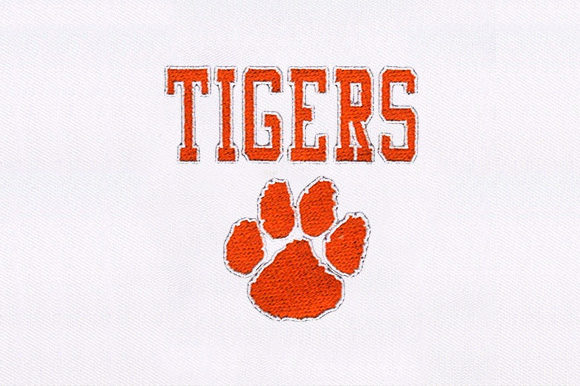
As an embroidery designer who has spent years digitizing and testing files for commercial use, I approach every new machine embroidery design with a critical eye. It is not enough for a graphic to look good on a screen; it must perform under the needle, withstand industrial washing, and elevate the brand it represents. Today, I am reviewing the Tiger Paw Design, a digital asset categorized under Animal Quotes and Embroidery, to determine its viability for small business merchandise, branded patches, and professional apparel.
First Impressions and Visual Personality
The initial impression of the Tiger Paw Design is one of bold simplicity mixed with organic warmth. Unlike intricate floral patterns or complex geometric logos that can get lost in translation when stitched, a paw print offers immediate recognition. The design feels both playful and grounded, striking a balance that works well for a variety of industries. It does not scream "luxury fashion," but it certainly does not feel cheap. Instead, it projects a sense of reliability, friendliness, and connection to nature.
For businesses in the pet industry, outdoor retail, or local community cafes, this visual personality is invaluable. The design avoids excessive detail, which is crucial for maintaining clarity at smaller sizes. When I examine the potential stitch paths implied by such a motif, I look for clean lines and adequate spacing between elements. A cluttered paw design can turn into a muddy blob of thread on textured fabrics, but this interpretation suggests a focus on clear definition, making it a strong candidate for versatile application.
Real-World Applications for Small Business Merch
The true test of any embroidery file is its adaptability across different products. Here is how I envision the Tiger Paw Design performing in real-world commercial scenarios:
- Branded Patches: This is perhaps the strongest use case. An embroidered patch allows for high stitch density without worrying about fabric puckering. The paw design would look excellent as a velcro-backed patch for staff uniforms or as a sew-on badge for customer loyalty programs.
- Staff Uniforms and Aprons: For bakeries, florists, or pet groomers, placing a small version of this design on the chest pocket of an apron creates a subtle yet professional brand marker. It adds a handmade touch that customers appreciate.
- Cap Embroidery: Caps are tricky due to their curved surface. However, a simplified paw print works well on the front panel or the side of a baseball cap. It provides a modern, understated logo alternative to text-heavy branding.
- Tote Bag Design: Canvas tote bags are popular eco-friendly merchandise. The robust nature of embroidery holds up well against the weight of groceries or books. A large-scale version of the paw could serve as a central graphic element, enhancing the perceived value of the bag.
- Etsy Branding and Product Labels: Handmade sellers often need small, consistent branding assets. Using this design on hang tags or as a small accent on product packaging reinforces brand identity and creates a cohesive unboxing experience.
Technical Considerations and Production Notes
Before running a production batch, there are several technical factors to consider. The product description lists a wide array of EMBROIDERY FILE FORMATS including DST, PES, JEF, EXP, and many others. This compatibility is a significant advantage, ensuring that whether you use a Brother, Janome, Bernina, or industrial Tajima machine, you can likely find a compatible file. However, format compatibility does not guarantee optimal stitch quality on every fabric.
I strongly advise testing the design in black and white first. Color can distract from structural issues. By removing color variables, you can clearly see if the stitch density is appropriate. If the stitches are too close together, the fabric may pucker or tear. If they are too sparse, the backing material might show through, especially on dark uniforms.
Another critical factor is hoop size. Ensure that the design fits comfortably within your standard hoop dimensions without requiring excessive re-hooping, which can lead to misalignment. For small items like baby clothes or pocket accents, verify that the details remain crisp when scaled down. Tiny lettering or fine outlines often fail at small sizes, so if the paw includes any textual elements, scrutinize them closely during the test phase.
Fabric and Stabilizer Selection
The success of the Tiger Paw Design also depends on the substrate. On smooth cotton or polyester blends, the design will likely appear sharp and clean. However, on textured fabrics like fleece, terry cloth, or heavy denim, the stitches may sink into the pile. In these cases, using a cut-away stabilizer is essential to provide lasting support. For caps, a stiff backer is necessary to prevent the design from distorting over time.
Always create a printable mockup for client approval before stitching the final product. This helps manage expectations regarding size and placement. Compare the digital proof beside other design assets to ensure visual consistency across your product line.
Impact on Brand Identity and Customer Trust
Why choose embroidery over printing? The tactile quality of an embroidered patch or direct stitch conveys durability and premium quality. When a customer sees the Tiger Paw Design stitched onto a tote bag or apron, they perceive a higher level of care and craftsmanship. This perception directly influences buyer engagement and trust.
For small businesses, consistency is key. Using a recognizable symbol like a tiger paw across various touchpoints—from staff shirts to gift items—builds strong brand recognition. It signals professionalism and attention to detail. Moreover, because this is a digital embroidery file, it allows for rapid customization. You can change thread colors to match seasonal promotions or specific client requests without altering the core design structure.
Final Verdict and Licensing Advice
The Tiger Paw Design is a versatile and robust choice for small business merchandising. Its strength lies in its simplicity and universal appeal. It avoids the pitfalls of overly complex designs that fail in production while offering enough character to stand out in a crowded market. Whether used for custom apparel, boutique merchandise, or corporate gifts, it delivers a polished, professional finish.
However, always confirm commercial licensing terms before using any design assets for profit. While the file formats suggest broad usability, the license dictates how you can sell the finished products. Check the provider’s terms to ensure you are compliant, especially if you plan to sell the embroidered items on platforms like Etsy or Amazon.
In conclusion, if you are looking to add a touch of organic charm and professional durability to your product line, this design is worth integrating into your library. Test it thoroughly, respect the material constraints, and let the quality of the stitch speak for your brand.