Man with an Axe: A Designer’s Review
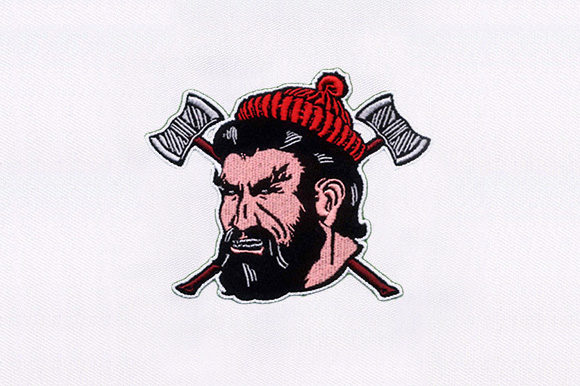
As an embroidery designer who has spent years digitizing logos and testing files for small business merchandise, I approach every new machine embroidery design with a critical eye. It is not enough for a design to look cute on a screen; it must perform under the needle, withstand washing, and elevate the brand it represents. Recently, I reviewed the Man with an Axe design, a rustic-themed graphic featuring a lumberjack motif. This piece falls squarely into the Camping category, but its application extends far beyond outdoor gear. For boutique owners, Etsy sellers, and apparel decorators, this digital embroidery file offers a distinct visual personality that can drive engagement if used correctly.
First Impressions and Visual Personality
The first thing that strikes you about Man with an Axe is its bold, rustic charm. In a market saturated with minimalist line art and delicate florals, a lumberjack motif commands attention. It feels handmade, sturdy, and authentic. For brands aiming to project reliability, craftsmanship, or a connection to nature, this design hits the mark. It is not overly playful, nor is it strictly elegant; rather, it sits comfortably in the realm of classic, durable Americana. This visual weight makes it an excellent candidate for brand identity projects where trust and tradition are key selling points.
However, from a technical standpoint, the complexity of an axe and a human figure requires careful scrutiny. The lines must be clean, and the spacing between elements must be sufficient to prevent thread breaks or bird nesting. My initial assessment suggests that this design relies on strong outlines and solid fills, which can look premium if the thread colors are chosen wisely, but can appear bulky if the stitch density is too high for the chosen fabric.
Real-World Business Applications
For small business owners, the versatility of a design determines its ROI. I evaluated how Man with an Axe performs across various small business merch categories. Here is where this design shines:
- Embroidered Patches: This is perhaps the strongest use case. A lumberjack motif translates beautifully to a patch format, which can be sewn onto jackets, backpacks, or tote bags. Patches allow for higher stitch density without worrying about fabric puckering, making the details of the axe and figure stand out sharply.
- Staff Uniforms and Aprons: For coffee shops, breweries, or artisan bakeries with a rustic aesthetic, this design works well as a chest logo accent on denim aprons or flannel shirts. It adds a layer of custom apparel professionalism that printed logos often lack.
- Cap Embroidery: Placed on the front panel of a structured cap, the design can serve as a bold brand marker. However, due to the curved surface, the design must be scaled appropriately to avoid distortion.
- Tote Bag Design: Canvas totes are a staple for handmade brands. The sturdy nature of the lumberjack image complements the heavy texture of canvas, creating a cohesive finished product that customers love to reuse.
When used in these contexts, Man with an Axe does more than decorate; it communicates a lifestyle. It tells the customer that the brand values durability and authenticity. This emotional connection can significantly boost buyer engagement and perceived product value.
Technical Considerations and Constraints
While the aesthetic appeal is strong, there are areas where caution is required. As a designer, I always advise testing any new embroidery file before committing to a large production run. Here are the specific challenges associated with this type of imagery:
- Small Patch Sizes: If you attempt to shrink Man with an Axe for a tiny label or a small pocket logo, the details of the axe handle and the figure’s features may merge. Always check the minimum recommended size provided by the digitizer.
- Fabric Texture: On textured fabrics like terry cloth or heavy wool, fine details can get lost. This design performs best on smooth, medium-weight fabrics like cotton twill, denim, or polished polyester blends.
- Dark Uniforms: If embroidering on dark navy or black uniforms, ensure you use high-contrast thread colors. A dark brown axe on a black shirt will vanish. Consider using metallic or bright threads to make the design pop.
- Washability: Items like aprons and work shirts undergo frequent washing. Ensure the design uses proper underlay stitches to anchor the top stitching. Without this, the edges of the axe may fray over time.
It is crucial to note that the product description states this machine embroidery design comes with multiple embroidery file formats and can be used in multiple embroidery machines. However, it does not specify the exact hoop size requirements or the precise stitch count. Before starting your project, you must verify these details in the downloaded package to ensure the design fits your machine’s capabilities and your intended hoop.
Enhancing Brand Identity and Trust
In the world of commercial embroidery, consistency is king. Using a distinctive icon like Man with an Axe helps create visual consistency across different product lines. Whether it is on a hang tag, a tote bag, or a staff shirt, the repeated use of this motif reinforces brand recognition. Customers begin to associate the rugged, reliable image of the lumberjack with the quality of your goods.
Furthermore, embroidered items carry a perception of higher value compared to printed equivalents. When a customer sees the raised texture of the threads in the axe handle, they perceive the item as a premium handmade product. This tactile experience can justify a higher price point and increase customer loyalty. For Etsy sellers and crafters, this differentiation is vital in a crowded marketplace.
Practical Designer Notes for Production
To ensure the best results with Man with an Axe, follow these practical steps before launching your campaign:
- Test in Black and White: Before selecting your final thread palette, stitch out the design in black thread on white fabric. This reveals any issues with spacing, density, or registration without the distraction of color.
- Check Stabilizer Requirements: Given the likely density of a figure-based design, use a cut-away stabilizer for stretchy fabrics and a tear-away for stable wovens. Proper stabilization prevents puckering and ensures the design lies flat.
- Create a Printable Mockup: Use digital tools to place the design on photos of your actual products. This helps clients visualize the scale and placement, reducing the risk of dissatisfaction with the final design assets.
- Confirm Commercial Licensing: While the description implies usability for multiple machines, always double-check the license terms included with the file. Ensure you have the right to use the design for sold goods, especially if you are producing high-volume custom apparel.
- Review Thread Color Contrast: Choose threads that complement the rustic theme. Earth tones like forest green, burnt orange, and slate gray work well, but ensure there is enough contrast between the figure and the background fabric.
In conclusion, Man with an Axe is a robust choice for businesses looking to inject a sense of rugged authenticity into their merchandise. It is not just a decorative element; it is a strategic tool for building brand identity. By respecting the technical limitations of embroidery and choosing the right applications—such as patches, aprons, and caps—you can transform this digital file into a tangible asset that drives sales and customer loyalty. Always prioritize testing and proper stabilization to ensure that every stitched axe reflects the quality your brand stands for.