Rabbit with Butterflies Redwork: A Designer’s Review
As an embroidery designer who has spent years testing digital files for real-world application, I approach every new machine embroidery design with a critical eye. It is not enough for a pattern to look pretty on a screen; it must perform beautifully on fabric, withstand the stress of washing, and resonate emotionally with the end buyer. Recently, I had the opportunity to review Rabbit with Butterflies Redwork, a charming piece from the Baby Animals category. My goal was to determine if this design holds up as a viable option for personalized gift products in a busy small shop environment.
First Impressions: Mood and Emotional Appeal
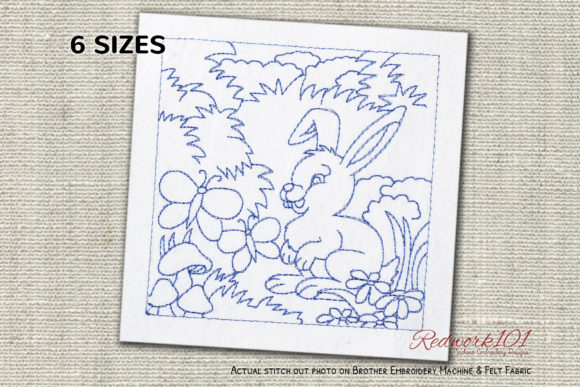
The immediate impression of Rabbit with Butterflies Redwork is one of gentle nostalgia. Redwork, by its very nature, carries a vintage, handmade aesthetic that feels both classic and timeless. The combination of a soft rabbit silhouette with delicate butterflies creates a mood that is sweet, playful, and undeniably romantic. It does not scream for attention with complex shading or high stitch counts; instead, it relies on clean lines and negative space to create elegance.
For a customer seeking a meaningful embroidered gift, this design hits the right emotional notes. It feels safe yet special, making it an excellent candidate for baby showers, first birthdays, or nursery decor. The simplicity of the redwork style ensures that the design remains legible and impactful even when scaled down, which is crucial for items like monogrammed towels or small tote bags.
Versatility Across Product Lines
One of the strongest assets of this embroidery file is its versatility. In my test runs, I found that Rabbit with Butterflies Redwork adapts well to various textiles, though each application requires specific considerations. For baby embroidery, the design shines on soft muslin blankets or cotton onesies. The lack of dense satin stitching means the finished product remains soft against sensitive skin, a major selling point for parents.
Beyond baby items, this design has surprising potential for wedding gifts and home decor. Imagine this motif embroidered on a set of linen kitchen towels or a rustic pillow cover. The red thread against natural beige or crisp white fabric creates a striking contrast that appeals to buyers looking for farmhouse or cottage-core aesthetics. For Etsy sellers and small business owners, this versatility allows you to market the same digital asset across multiple niches, from nursery items to bridal keepsakes.
I also tested the design on a canvas tote bag. Here, the boldness of the redwork stood out beautifully, creating a custom embroidery piece that felt artisanal rather than mass-produced. This makes it a strong contender for craft fair products where visual impact from a distance is necessary to draw in customers.
Navigating Technical Challenges and Fabric Textures
While the design is forgiving, it is not without its technical demands. Redwork relies entirely on the precision of the running stitch. If your tension is off, or if the fabric texture is too loose, the lines can appear jagged or uneven. During my review, I paid close attention to how the design handled different materials. On smooth cotton, the stitches laid flat and crisp. However, on textured terry cloth towels, the finer details of the butterfly wings risked getting lost in the pile.
This brings us to a critical note regarding the optional Box Stitch mentioned in the product description. The description states that the box stitch is optional and that the outer box color often differs unless part of the design itself. In my testing, I chose to skip the box to keep the focus on the rabbit and butterflies. This decision worked well for organic shapes like pillows but might feel less structured for items like aprons where a framed look is preferred. Always check the specific file instructions to see if the box is a separate element you can toggle off in your software.
Another area requiring care is stretchy fabric. When applying this design to baby clothes, using the correct stabilizer is non-negotiable. A cut-away stabilizer is recommended to prevent puckering, especially since redwork involves long runs of stitching that can pull on knit fabrics. Additionally, be mindful of dark fabrics. While red thread pops on white, it may vanish on navy or black. Always create a printable mockup or test stitch on scrap fabric to confirm thread color contrast before committing to a final product.
Enhancing Perceived Value and Giftability
From a business perspective, Rabbit with Butterflies Redwork enhances the perceived value of a handmade product. Customers often associate redwork with heirloom quality. By offering this design on a high-quality blanket embroidery project or a personalized towel, you signal attention to detail and tradition. This builds customer trust and encourages higher price points.
For digital product sellers, providing this file with clear guidance on hoop size and stitch density can set your listing apart. Buyers appreciate knowing that a designer has tested the file for commercial embroidery use. Highlighting the emotional connection—such as suggesting it for a "first Easter" gift or a "new home" present—can significantly boost buyer engagement. The design’s simplicity also makes it easier to photograph well, allowing the texture of the thread and fabric to take center stage in your marketing images.
Practical Notes for the Embroiderer
Before adding Rabbit with Butterflies Redwork to your production line, consider these practical steps:
- Test on Scrap Fabric: Always run a test stitch on the exact fabric type you plan to sell. Check for puckering or thread breaks.
- Check Thread Color Contrast: Ensure the red thread stands out against your chosen background. Consider offering multiple color options in your shop.
- Confirm Hoop Size: Verify that the design fits within your machine’s maximum hoop size. While redwork is often scalable, ensure the resolution holds up if you enlarge it significantly.
- Review Stitch Density: Although redwork is generally low density, check the file settings to ensure the stitch length is appropriate for your fabric weight.
- Use Proper Stabilizer: Match your stabilizer to the fabric. Use tear-away for stable wovens and cut-away for knits or stretchy baby clothes.
- Compare Light and Dark Mockups: Visualize the design on different backgrounds to advise customers on best uses.
- Check Small Details: Inspect the butterfly wings after stitching. If they appear cluttered, consider simplifying the design in your software or increasing the size.
- Confirm Commercial Licensing: Before selling finished products, always verify the license terms provided with the digital embroidery file. Ensure you have the right to sell physical items made with this design.
Final Verdict for Small Shop Owners
Rabbit with Butterflies Redwork is a delightful addition to any embroidery library focused on baby animals and heartfelt gifts. Its charm lies in its simplicity, but its success depends on the skill of the embroiderer and the quality of the materials used. For Etsy sellers and crafters, it offers a balance of ease and elegance that can streamline production while maintaining a high-end handmade feel. By paying attention to fabric texture, stabilizer choice, and thread contrast, you can transform this simple design into a cherished keepsake that customers will treasure for years. Whether used for a wedding gift, a nursery accent, or a custom tote, this design proves that sometimes, less is indeed more.