Cooling Fan Redwork: A Designer’s Review
As an embroidery designer who spends half my life staring at digitized files and the other half wrestling with hoop tension, I am always on the hunt for designs that bridge the gap between quick production and high-end aesthetic appeal. Recently, I came across Cooling Fan Redwork on Creative Fabrica, and it immediately caught my eye as a potential staple for boutique apparel collections. While the product is categorized under Bedroom and Embroidery, my professional instinct told me this design had far more versatility than its initial classification suggested. I decided to put it through a mental stress test, imagining how it would perform on real-world garments for my upcoming sweatshirt and hoodie line.
Visual Personality and Stitching Mood
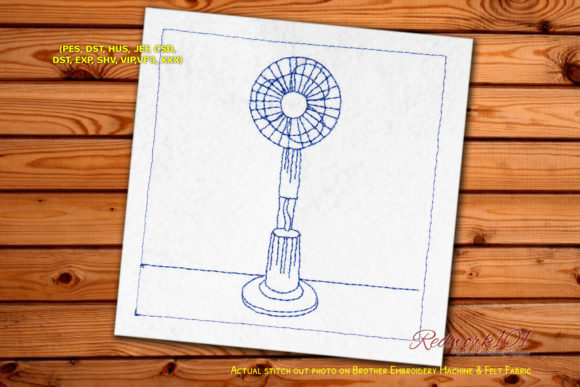
The first impression of Cooling Fan Redwork is one of understated charm. Redwork, by definition, relies on single-color stitching to create bold, graphic outlines. This particular design captures a playful yet minimal vibe. It does not scream for attention with dense satin stitches or complex shading; instead, it offers a clean, linear quality that feels both rustic and trendy. For a boutique brand, this is invaluable. It suggests a handmade product without looking amateurish. The visual personality is casual but polished, making it suitable for a wide demographic, from college students looking for cute hoodie designs to adults seeking subtle, nostalgic accents on their daily wear.
The description notes that the box stitch shown in promotional pictures is optional and that the outer box color often differs unless part of the core design. This flexibility is a huge plus for a designer. It means we are not locked into a rigid frame. We can isolate the fan motif for a cleaner look or include the border for a more structured, patch-like appearance. This adaptability allows us to tailor the design to different fabric textures and garment styles without needing multiple separate files.
Performance on Boutique Apparel
When planning a small sweatshirt or hoodie collection, placement is everything. I envision Cooling Fan Redwork performing exceptionally well in several key areas. For a classic crewneck sweatshirt, placing this design on the left chest creates a sophisticated, branded look. Because redwork typically has lower stitch density compared to filled designs, it sits beautifully on fleece and cotton blends without causing the dreaded "hoop burn" or stiffening the fabric excessively. This is crucial for comfort, which is a primary selling point for any custom apparel.
For oversized garments, which are currently dominating the market, this design could be scaled up slightly for a back placement. However, caution is needed here. On curved surfaces like the back of a hoodie, you must ensure the stabilizer choice is robust enough to prevent puckering. The linear nature of redwork means any distortion in the fabric will be immediately visible in the lines of the fan. Therefore, testing on scrap fabric identical to your final garment is non-negotiable. I would recommend a cut-away stabilizer for stretchy fabrics like jersey t-shirts to maintain shape integrity over time.
Beyond tops, this embroidery file shines on accessories. Imagine a canvas tote bag featuring this cooling fan motif. The contrast of the thread against natural cotton canvas creates a striking visual that appeals to eco-conscious shoppers. It also works wonderfully on denim jackets, where the texture of the denim provides a rugged backdrop for the delicate lines of the redwork. For Etsy sellers, these varied applications mean you can create a cohesive lifestyle product line from a single digital embroidery file, maximizing your return on investment.
Strategic Placement and Fabric Considerations
While Cooling Fan Redwork is versatile, it requires thoughtful execution. Dark garments present a unique opportunity. Using a bright or contrasting thread color on black or navy hoodies makes the design pop, enhancing product recognition in social media graphics. However, on dark fabrics, you must ensure your thread quality is high to avoid sheen inconsistencies that cheap threads often exhibit under studio lighting. This affects the perceived value of your finished product significantly.
Ribbed fabric, such as cuffs or collars, should generally be avoided for this type of design. The stretch and texture of ribbing can distort the straight lines of the fan, making the embroidery look wavy or unprofessional. Similarly, while the design is simple, placing it too close to seams or zippers can cause hoop interference. Always measure your hoop size against the garment construction before starting. If the design includes the optional box stitch, ensure it fits comfortably within your standard hoop dimensions to avoid re-hooping, which can lead to alignment issues.
Enhancing Brand Identity and Value
In the competitive world of online retail, visual consistency is key. Incorporating Cooling Fan Redwork into your collection can help establish a recognizable brand identity. The simplicity of the design allows it to pair well with other elements, such as small text or complementary icons, without creating visual clutter. This clean aesthetic builds buyer trust, as it signals a professional approach to design. Customers often associate clean, well-executed embroidery with higher quality materials and better craftsmanship.
For creative entrepreneurs, this design is a tool for engagement. When creating printable mockups for your Etsy listings or social media posts, the distinct lines of the redwork render clearly, even at smaller thumbnail sizes. This clarity helps potential customers understand exactly what they are buying, reducing hesitation and increasing conversion rates. A well-presented commercial embroidery product stands out in a sea of generic prints, offering a tactile, premium experience that digital prints cannot match.
Practical Notes for the Embroidery Shop
Before launching this design into your production line, there are several practical steps to take. First, confirm the specific file formats included in the download to ensure compatibility with your machine. While most Creative Fabrica embroidery products offer a range of formats, it is vital to check this before purchase. Second, review the license terms carefully. Ensure that the license permits the sale of finished physical goods, which is standard for most designs on the platform but always worth verifying to protect your small shop product business.
Thread color contrast is another critical factor. Since this is a redwork style, the choice of thread color defines the entire look. Test various shades against your base fabrics. A monochromatic look (e.g., white thread on a white sweatshirt) offers a subtle, textured effect that feels very high-end and minimalist. Conversely, a bold contrast creates a playful, eye-catching statement. Finally, always inspect the stitch density in your editing software. If the density seems too high for lightweight t-shirts, consider adjusting it or using a lighter weight stabilizer to prevent stiffness.
In conclusion, Cooling Fan Redwork is a valuable addition to any embroidery designer’s library. Its blend of simplicity, versatility, and charm makes it ideal for a wide range of boutique apparel projects. By paying attention to fabric choice, placement, and finishing details, you can transform this digital file into a standout bestseller for your handmade business. Whether you are decorating cozy seasonal outfits or everyday basics, this design offers the professional polish that modern consumers crave.