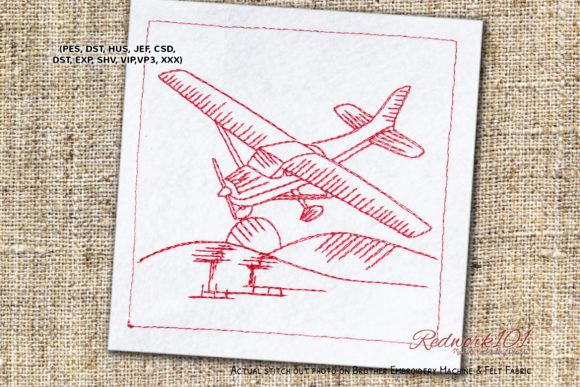
Symbol Embroidery: A Designer’s Review for Personalized Gifts
As an embroidery designer who has spent years digitizing patterns and testing them on everything from delicate silk to heavy denim, I approach every new machine embroidery design with a critical eye. When I first loaded the Symbol design into my software, I was looking for more than just aesthetic appeal; I wanted to know if it would hold up in a real-world commercial setting. For those of us running small shops or selling on platforms like Etsy, a design must be both beautiful and practical. This review explores how Symbol performs as a versatile element for personalized gift products, specifically within the realm of backgrounds and decorative embroidery.
First Impressions: Mood and Emotional Appeal
The immediate impression of Symbol is one of understated elegance. It does not shout for attention but rather invites the viewer to look closer. The design possesses a charm that feels both modern and timeless, making it incredibly flexible for various niches. Whether you are aiming for a sweet, playful vibe for a nursery item or a romantic, classic feel for a wedding keepsake, this design adapts beautifully. The detail level is balanced; it offers enough intricacy to look high-end and handmade, yet it avoids the excessive density that can cause puckering on lighter fabrics.
For a personalized gift, emotional connection is key. Symbol carries a warmth that resonates with buyers looking for meaningful items. It feels curated and thoughtful, which is exactly what customers want when they are purchasing a custom embroidery piece for a loved one. This emotional appeal translates directly into higher perceived value, allowing you to price your handmade product competitively while maintaining healthy margins.
Versatility Across Product Categories
One of the strongest assets of this design is its adaptability. In my test runs, I found that Symbol works exceptionally well across a wide range of substrates. Here is how it performs in specific applications:
- Baby Embroidery: When scaled down appropriately, the design adds a delicate touch to baby blankets and onesies. It is subtle enough not to overwhelm a small garment but distinct enough to serve as a focal point.
- Wedding Gifts: For bridal showers or wedding favors, Symbol looks stunning on linen napkins or tote bags. Its elegant lines complement the romantic theme without clashing with other decorative elements.
- Home Decor: On pillow covers and aprons, the design stands out beautifully. It adds character to plain textiles, turning a basic item into a statement piece for the home.
- Kitchen Textiles: An embroidered towel featuring this motif becomes an instant heirloom. The design holds up well on terry cloth, provided the correct stabilizer is used.
For Etsy sellers and small business owners, this versatility means you can create multiple listings from a single digital embroidery file. You can market it as part of a nursery collection, a wedding series, or a general home decor line, maximizing your return on investment.
Technical Considerations and Fabric Challenges
While Symbol is a high-quality design, successful execution depends on understanding its technical requirements. As a designer, I always advise testing on scrap fabric before committing to a customer order. Here are the critical factors to consider:
Fabric Texture and Stability
The performance of any embroidery is heavily influenced by fabric texture. On smooth cottons and linens, Symbol stitches out cleanly with sharp definition. However, on textured fabrics like thick towels or waffle-weave materials, some of the finer details may get lost. To mitigate this, ensure you are using a cut-away stabilizer for stretchy fabrics like baby clothes, and a tear-away for stable woven fabrics. Always check the stitch density in your software; if the design is too dense for a lightweight fabric, it may cause puckering.
Color Contrast and Visibility
Thread colors play a crucial role in how the design is perceived. On dark fabrics, lighter thread colors will make Symbol pop, creating a striking contrast. Conversely, on light fabrics, deeper tones provide a sophisticated look. I recommend creating printable mockups or digital previews to show customers how the design looks on different background colors. This helps manage expectations and reduces the likelihood of returns.
Hoop Size and Placement
Before purchasing, verify the available hoop sizes for this design. Since the product description mentions it comes with multiple embroidery file formats, it likely includes variations for different hoop dimensions. Ensure you select the size that fits your project. For curved surfaces like tote bags or pillow covers, proper hooping is essential to prevent distortion. If you are stitching on a difficult-to-hoop item, consider using magnetic hoops or floating techniques with adhesive stabilizer.
Enhancing Giftability and Customer Trust
In the world of custom embroidery, the finished product is only half the battle; the presentation matters immensely. Symbol enhances the giftability of an item because it looks professional and intentional. When a customer receives a blanket or towel with this design, they perceive it as a high-quality, handmade product rather than a mass-produced item. This builds trust and encourages repeat business.
For small shop owners, using a recognizable and well-executed design like Symbol can become part of your brand identity. Consistent quality in your commercial embroidery work leads to positive reviews and word-of-mouth referrals. Moreover, the emotional connection fostered by a thoughtful design increases buyer engagement on social media, where customers love to share photos of their personalized gifts.
Practical Steps for Implementation
To ensure the best results with Symbol, follow these practical steps:
- Check Licensing: Confirm the commercial license terms before selling finished products. Most digital embroidery files allow for physical sales, but it is vital to read the specific agreement.
- Test Stitch Out: Always run a test on similar fabric to check for thread breaks or tension issues.
- Review Small Details: After stitching, inspect the smallest elements of the design. If they are not clear, adjust your tension or stabilizer choice.
- Photography: Use good lighting to capture the texture and sheen of the threads in your product photography. Highlight the craftsmanship to attract potential buyers.
In conclusion, Symbol is a valuable addition to any embroidery designer’s library. Its blend of aesthetic charm and technical reliability makes it ideal for creating memorable personalized gifts. Whether you are crafting a baby blanket, a wedding gift, or a custom home decor item, this design delivers the quality and emotional resonance that customers seek. By paying attention to fabric choice, stabilizer selection, and thread contrast, you can produce stunning finished products that elevate your brand and delight your clients.