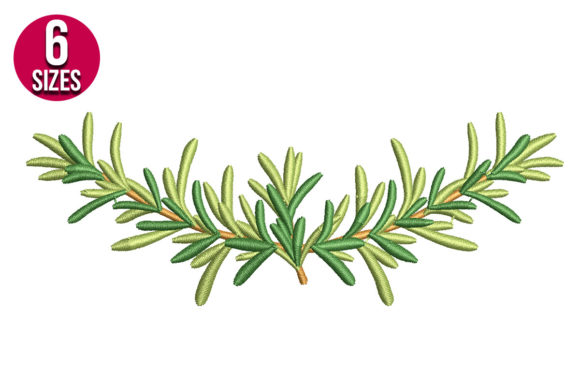
Rosemary Wreath: A Designer’s Review for Branding
As an embroidery designer who has spent years digitizing files for small businesses, I approach every new machine embroidery design with a critical eye. It is not just about whether a pattern looks pretty on a screen; it is about how it performs in the real world of commercial production. Recently, I reviewed the Rosemary Wreath, a floral motif that promises to add a colorful and fresh accent to home decor and apparel. For boutique owners, Etsy sellers, and local brands looking to elevate their visual identity, this design offers significant potential, but it requires strategic application to maximize its impact.
First Impressions: Visual Personality and Brand Fit
The Rosemary Wreath immediately strikes me as versatile. It balances rustic charm with a touch of elegance, making it suitable for a wide range of industries. Unlike bold, geometric logos, this design feels organic and handmade. It exudes warmth, which is crucial for businesses that want to build trust and convey a sense of care. Whether you run a artisanal bakery, a florist shop, a pet brand, or a creative studio, this wreath can serve as a soft yet professional identifier.
The description suggests it works well on tablecloths and napkins, which aligns perfectly with the hospitality sector. However, from a branding perspective, I see it working even better on wearable merchandise. The circular composition is inherently balanced, drawing the eye inward. This makes it an excellent candidate for centered placements where symmetry matters. It does not scream for attention like a neon sign; instead, it invites closer inspection, which is ideal for premium or handmade product lines.
Real-World Applications for Small Business Merch
When integrating Rosemary Wreath into your product line, consider the substrate carefully. Here is how this design performs across various common business applications:
- Apron Embroidery: For cafes and bakeries, this design is a natural fit. Placed on the chest or pocket area of a canvas or denim apron, it adds a layer of professionalism without feeling corporate. The herbal theme reinforces the idea of fresh, natural ingredients.
- Embroidered Patches: This is perhaps the strongest use case. A woven or embroidered patch featuring the wreath can be applied to tote bags, jackets, or hats. Patches allow for inventory flexibility; you can produce blank goods and apply the branding later, reducing waste.
- Cap Embroidery: Placing the wreath on the front panel of a dad hat or trucker cap creates a trendy, lifestyle-oriented look. It transforms standard headwear into a walking advertisement for your brand.
- Tote Bag Design: Canvas totes are staples for retail shops. A medium-sized placement of the wreath near the bottom corner or centered on the front provides a subtle branded touch that customers appreciate as a gift-with-purchase.
- Staff Uniforms: For spas, boutiques, or garden centers, embroidering this motif on polo shirts or work shirts unifies the team while maintaining a soft, approachable aesthetic.
Technical Considerations and Production Notes
While the artistic merit of Rosemary Wreath is high, successful execution depends on technical precision. As a designer, I always advise testing any new digital embroidery file before committing to a large production run. Here are the critical factors to evaluate:
Stitch Density and Fabric Texture
Floral designs often contain fine details. If the stitch density is too high, the fabric may pucker, especially on lighter materials like cotton napkins or thin t-shirts. Conversely, if the density is too low, the backing fabric might show through. Always test the design on the actual fabric you intend to use. For textured fabrics like terry cloth or heavy denim, you may need to adjust underlay stitches to ensure the design sits flat and crisp.
Hoop Size and Placement
Check the recommended hoop size for this specific file. If the wreath is designed for a 4x4 inch hoop, do not attempt to resize it significantly for a 5x7 hoop without checking the stitch integrity. Scaling up can cause gaps between stitches, while scaling down can merge fine details into a blob. For small patches, ensure that the intricate leaves of the rosemary remain distinct. If the design becomes muddy at smaller sizes, it may not be suitable for tiny labels or sleeve accents.
Thread Colors and Contrast
The description mentions a "colorful" accent. In a business context, color consistency is key to brand identity. Ensure that the thread colors used match your brand palette. If your logo uses specific shades of green, customizing the thread selection for the Rosemary Wreath is essential. Also, consider contrast. On dark uniforms, lighter greens and whites will pop, while on light canvas, deeper forest greens will provide necessary definition. Always create a printable mockup to visualize these combinations before stitching.
Stabilizer Selection
Never skip the stabilizer. For stretchy fabrics like jersey tees, a cut-away stabilizer is mandatory to prevent distortion after washing. For stable wovens like aprons or tote bags, a tear-away may suffice, but a light cut-away often provides a more premium, durable finish for items that will undergo frequent laundering.
Enhancing Brand Identity and Customer Trust
Using a cohesive design element like Rosemary Wreath across multiple touchpoints strengthens brand recognition. When a customer sees the same elegant wreath on your website, your packaging, and your staff’s aprons, it creates a sense of reliability and professionalism. It signals that you pay attention to detail.
For handmade product sellers, this design adds perceived value. A plain mug becomes a curated gift when paired with a matching embroidered coaster or towel. It encourages upselling and helps differentiate your offerings in a crowded marketplace like Etsy. The "handmade" feel of embroidery resonates deeply with consumers who are tired of mass-produced, printed graphics. It suggests quality, longevity, and human touch.
Where to Use Caution
Despite its versatility, there are scenarios where this design might struggle. Avoid using it on items with complex seams or curved surfaces where hooping is difficult, unless you have advanced skills. Be cautious with very small lettering if you plan to combine the wreath with text; intricate fonts can get lost within the foliage. Additionally, if your brand identity is strictly modern, minimalist, or industrial, this rustic floral motif might clash with your existing design assets. Always compare it beside your current logo and marketing materials to ensure visual consistency.
Final Verdict for Commercial Use
The Rosemary Wreath is a strong contender for small business merchandising. It is adaptable, visually appealing, and emotionally resonant. However, success lies in the preparation. Before launching a new line of custom apparel or home goods, verify the commercial licensing terms of the embroidery file. Confirm the exact stitch count and format compatibility with your machines. Test extensively on your chosen fabrics. When executed with care, this design can become a signature element of your brand, turning everyday items into cherished keepsakes for your customers.