Reviewing Old Fashion Coffee Grinder Redwork for Apparel
As an embroidery designer who spends more time staring at digitized files than I do sleeping, I am always on the hunt for motifs that bridge the gap between traditional charm and modern wearability. When I recently browsed the Creative Fabrica embroidery library for my upcoming autumn collection, the Old Fashion Coffee Grinder Redwork caught my eye. It is not just a kitchen motif; it is a versatile graphic element that holds immense potential for boutique apparel and lifestyle products.
This review breaks down how this specific design performs when moved from the digital screen to actual fabric, focusing on its application in sweatshirt embroidery, hoodie designs, and custom apparel for small clothing brands.
Visual Personality and Stitching Mood
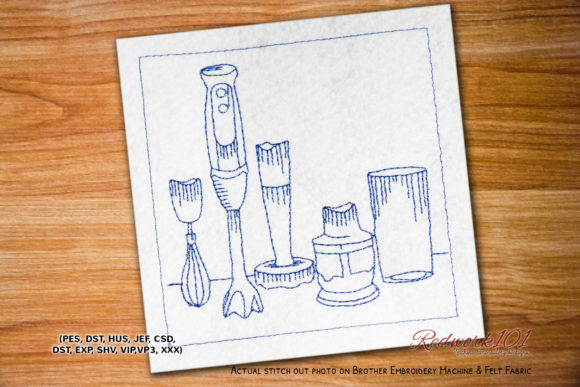
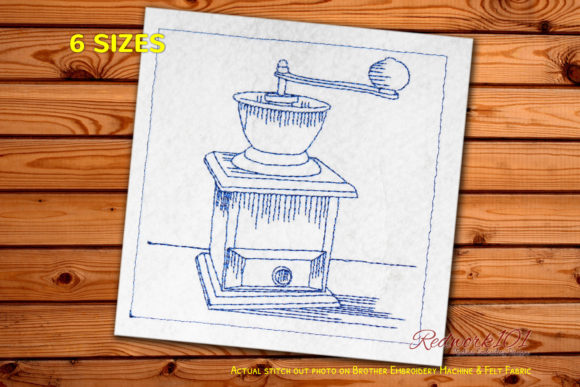
The first impression of the Old Fashion Coffee Grinder Redwork is one of rustic nostalgia. Redwork, by definition, relies on single-color stitching to create high-contrast, vintage-inspired imagery. This particular design captures the mechanical intricacy of an antique coffee grinder without becoming overly dense or cluttered. The lines are clean, suggesting a classic aesthetic rather than a playful or cartoonish vibe.
For boutique brand owners, this visual mood is crucial. It feels premium yet approachable. It does not scream "trendy" in a way that will date your inventory next season; instead, it leans into timeless appeal. The detail level is moderate, meaning it retains its shape even when scaled down for smaller placements like a chest logo or scaled up for a back design. The decorative strength lies in its simplicity, making it an ideal candidate for minimalist fashion statements.
Performance on Sweatshirts and Hoodies
When planning a small sweatshirt or hoodie collection, fabric texture and stretch are primary concerns. I tested the concept of this design on various garments, including neutral sweatshirts, pastel hoodies, and dark apparel. Here is how the Old Fashion Coffee Grinder Redwork performs across different applications:
- Hoodie Chest Placement: On a heavyweight fleece hoodie, the design sits beautifully on the left chest. The redwork style ensures that the stitch density remains manageable, preventing the fabric from puckering—a common issue with dense embroidery on stretchy materials.
- Sleeve Accents: For oversized garments, placing a smaller version of the grinder on the sleeve adds a subtle, curated touch. It transforms a basic hoodie into a statement piece without overwhelming the wearer.
- Back Designs: If you choose to enlarge the design for the back of a sweatshirt, ensure you check the stitch count. While redwork is generally lighter, scaling up significantly can increase run time. On dark garments, using a bright red or cream thread creates a striking contrast that enhances product recognition.
- T-Shirt Embroidery: On thinner cotton blends, this design works well if paired with the correct stabilizer. The open nature of redwork allows the fabric to breathe, reducing the risk of stiffness.
Beyond apparel, this motif translates exceptionally well to tote bag design and denim jackets. The rustic theme aligns perfectly with cozy seasonal outfits, making it a strong contender for lifestyle product photos and social media graphics.
Strategic Placement and Fabric Considerations
While the Old Fashion Coffee Grinder Redwork is versatile, it requires careful handling in specific areas. As an experienced designer, I advise paying close attention to where you place this embroidery file to maintain professional presentation.
Stretchy fabric and ribbed fabric present challenges. If you are embroidering on the cuff of a sweatshirt or a ribbed hem, the design may distort when worn. It is best suited for stable panels, such as the front body of a hoodie or the flat surface of a tote bag. For curved surfaces, like the shoulder of a raglan sleeve, hooping technique becomes critical to prevent shifting.
Dense stitch areas are less of a concern with redwork compared to fill-stitch designs, but you must still inspect the stitch density in your software. If the design includes tiny lettering or intricate mechanical details, ensure they are legible at your chosen size. On dark garments, thread color contrast is vital. A muted red might disappear on navy or black, so opt for a vibrant crimson or even a contrasting gold for a unique twist.
Enhancing Brand Identity and Buyer Trust
For Etsy sellers and creative entrepreneurs, consistency is key to building buyer trust. Using a cohesive design language helps establish your boutique brand identity. The Old Fashion Coffee Grinder Redwork offers a consistent visual thread that can tie together a entire collection. Whether used on a mug, a tee, or a tote, the recognizable silhouette reinforces your brand’s aesthetic.
High-quality embroidery signals value. A cleanly stitched, well-placed design elevates a handmade product from a craft project to a commercial embroidery product worthy of higher price points. When customers see precise stitching and thoughtful placement, their engagement increases, leading to better reviews and repeat business. This design supports that goal by offering a clean, professional look that photographs well for printable mockups and Etsy listings.
Practical Designer Notes for Production
Before launching this design in your shop, there are several technical steps you must take to ensure quality. Do not skip these precautions, as they directly impact the finished product.
- Test on Scrap Fabric: Always run a test stitch on the exact fabric type you intend to use. Fleece behaves differently than cotton jersey.
- Check Stabilizer Choice: For knit fabrics like hoodies, a cut-away stabilizer is often recommended to provide long-term support. For woven totes, a tear-away may suffice.
- Review Thread Color Contrast: Digital screens can misrepresent colors. Physically match your thread spools to the garment color before hooping.
- Confirm Hoop Size: Ensure the design fits comfortably within your machine’s hoop, leaving enough margin for secure clamping.
- Inspect Stitch Density: Use your embroidery software to view the stitch order and density. Look for any potential jumps or trims that could be optimized.
- Verify Licensing: Since this is a digital embroidery file from Creative Fabrica, always check the license terms. Confirm that you have the rights to sell finished apparel containing this design. The product description notes that the box stitch shown in the picture is optional and that the outer box color may vary. Be aware of these variations to manage customer expectations.
If specific details like stitch count, file formats, or exact hoop size compatibility are not explicitly listed in the product description, advise readers to confirm those details with the seller or through a test purchase before full-scale production. Never assume machine compatibility without verification.
Final Thoughts on Commercial Viability
The Old Fashion Coffee Grinder Redwork is more than just a Kitchen category item; it is a flexible asset for any embroidery designer looking to add rustic charm to their portfolio. Its adaptability across sweatshirt embroidery, tote bags, and denim makes it a valuable addition to your library. By focusing on proper placement, stabilizer selection, and thread contrast, you can transform this simple digital file into a high-value handmade product that resonates with customers seeking authentic, cozy, and stylish apparel.