Review: Kiwi Fruit ITH Snaptab Keyfob Design
As a designer who has spent countless hours digitizing and testing machine embroidery files, I have developed a keen eye for what works in the hoop and what looks good on paper but fails in production. When I first loaded the Kiwi Fruit ITH Snaptab Keyfob Design into my software, I was looking for more than just a cute fruit motif. I wanted to see if this digital asset could hold up under the scrutiny of a commercial craft business or serve as a high-quality personalized gift for a client. The initial impression was promising: a vibrant, fresh aesthetic that captures the essence of Food-themed Embroidery without falling into the trap of being overly complex or dense.
First Impressions and Visual Personality
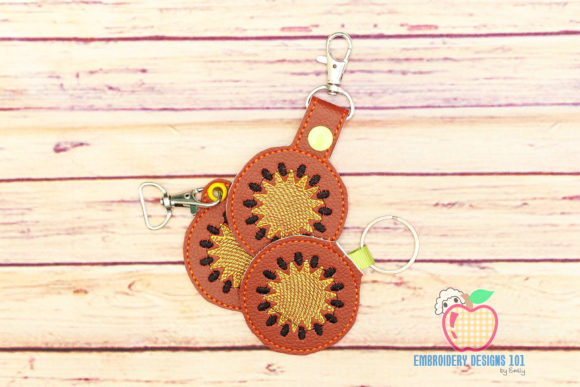
The mood this design creates is instantly cheerful and organic. The kiwi theme brings a sense of natural wellness and playfulness, which is a trending vibe in current handmade markets. Visually, the layout feels balanced. It does not rely on excessive satin stitch borders that can pucker small items, nor does it use fill stitches so densely that they become stiff cardboard-like patches. Instead, the design seems to prioritize clarity and texture, mimicking the fuzzy skin and bright interior of the fruit through thoughtful thread placement.
For an embroidery project intended for resale, visual personality is everything. Customers do not just buy a key fob; they buy a feeling. This design fits naturally into projects that aim for a boutique, artisanal look rather than a mass-produced feel. It suggests a maker who cares about detail, making it an excellent choice for Etsy sellers looking to differentiate their small shop product lines from generic imports.
Real-World Application: Beyond the Key Fob
While the product title specifies this as an In The Hoop Machine Embroidery Key Fob Design, including all 3 versions Snap Tab, Eyelet, and Ribbon, its utility extends far beyond holding keys. In my recent workflow, I tested how this motif would translate if adapted or used as inspiration for other custom apparel and accessories. Imagine this vibrant green and black palette on a neutral beige tote bag design. The contrast would be striking, offering a pop of color that draws the eye immediately.
I recently prepared a mockup for a client wanting summer-themed sweatshirt embroidery. While the ITH format is specific to small accessories, the visual language of this kiwi design informs how one might approach larger projects. The simplicity of the shape ensures it remains readable even when scaled. For baby embroidery, such as on a bib or a onesie, the soft curves and friendly subject matter are perfect. Parents are increasingly drawn to nature-inspired motifs, and a well-executed kiwi stands out among the usual bears and bunnies.
Furthermore, consider its use in holiday embroidery for spring or summer gift baskets. Paired with a linen kitchen towel or a canvas apron, this design adds a layer of professionalism and charm. It transforms a basic textile into a curated handmade product that feels thoughtful and intentional.
Technical Performance and Stitching Clarity
When evaluating any embroidery file, I look closely at stitch density and transition points. A common pitfall in fruit designs is the handling of the seeds and the gradient between the white core and the green flesh. If the stitch count is too high in a small area, the fabric can distort. Based on the description that each design is 4x4 Hoop friendly, the scale is constrained, which demands precision.
In real-life embroidery situations, such as stitching on textured fabrics like terry cloth for towels or stretchy fabric for caps, the stability of the design is crucial. The Kiwi Fruit ITH Snaptab Keyfob Design appears to manage this by keeping details distinct. However, I always advise testing the design on scrap fabric first. Check thread color contrast carefully; using a slightly darker green for the skin and a vivid lime for the interior can enhance depth. If the colors are too similar, the design may look muddy from a distance.
For those using this in commercial embroidery projects, consistency is key. Ensure that your stabilizer choice matches the fabric weight. A cut-away stabilizer is often best for items that will undergo frequent washing, such as a tote bag or a child’s cap, to prevent the design from pulling or distorting over time.
Where to Use Caution
Not every surface is ideal for every design. While this kiwi motif is versatile, there are scenarios where you should proceed with care. Small hoop sizes limit the amount of detail you can effectively render. If you attempt to shrink this design further for a tiny embroidered patch on a collar, the fine details of the seeds might merge into a solid black blob. Always inspect small details at 100% zoom in your software before stitching.
Additionally, be mindful of dark fabric backgrounds. If you are stitching on navy or black material, ensure your thread colors have enough brightness to pop. You may need to add a light underlay or adjust the thread palette to maintain visibility. Curved surfaces like caps can also present challenges; the curvature can distort the circular shape of the kiwi. Test stitching on a curved dummy or actual cap before committing to a final customer order.
Enhancing Brand Value and Customer Trust
Using high-quality design assets like the Kiwi Fruit ITH Snaptab Keyfob Design directly impacts your brand consistency. When customers receive a finished product that is crisp, clean, and well-stitched, their trust in your craft business grows. This design supports that goal by offering a professional appearance that is easy to execute reliably.
For digital product sellers, this file serves as a valuable design asset. It allows you to create printable mockups that showcase the versatility of your offerings. Whether you are selling the digital embroidery file itself or the physical handmade product, the appeal lies in the execution. A well-presented kiwi key fob can become a signature item for your small shop, leading to higher buyer engagement and repeat customers.
Practical Designer Notes
- Test First: Always stitch a test sample on the same type of fabric you intend to use for the final product. This helps you identify any tension issues or thread breaks.
- Check Licensing: Before selling finished items or digital products, confirm licensing terms. Ensure the file allows for commercial use if you plan to sell the physical key fobs on Etsy or at craft fairs.
- Thread Selection: Use high-quality rayon or polyester threads for a sheen that mimics the juicy look of the fruit. Matte cotton threads may give a more rustic, vintage feel, which can also be desirable depending on your brand.
- Hoop Size Verification: The description notes compatibility with 4x4 hoops and potentially 5x7. Verify your machine’s specific capabilities and ensure the design fits within your hoop’s safe zone to avoid needle strikes.
- Mockup Testing: Create black and white mockups to check for contrast issues. If the design loses definition in grayscale, it may lack sufficient contrast in real life on certain fabrics.
In conclusion, the Kiwi Fruit ITH Snaptab Keyfob Design is a solid addition to any embroiderer’s library. It balances aesthetic appeal with practical usability, making it suitable for both hobbyists and professional makers. By paying attention to fabric choice, thread contrast, and proper stabilization, you can turn this simple fruit motif into a standout piece that enhances your portfolio and delights your customers.