Evaluating Native Machine Design for Etsy Shops
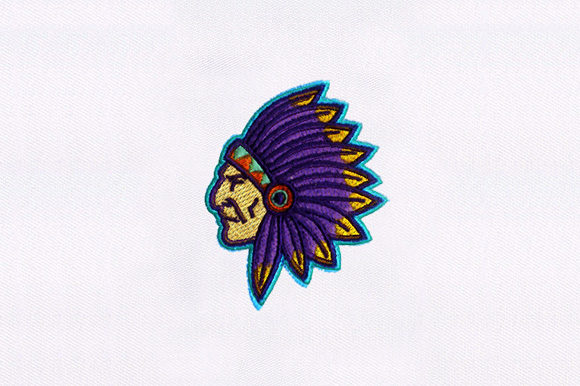
As an experienced embroidery seller, I am constantly scanning platforms like Creative Fabrica for designs that offer both artistic merit and commercial viability. When I stumbled upon Native Machine Design, my immediate reaction was one of curiosity mixed with cautious optimism. The product description promises a "gorgeous redwork embroidery" that evokes a nostalgic era, suggesting a style that could resonate deeply with buyers looking for rustic, historical, or culturally inspired aesthetics. However, before adding any digital embroidery file to my library for commercial use, I need to dissect its potential beyond the thumbnail image.
Understanding the Aesthetic and Market Fit
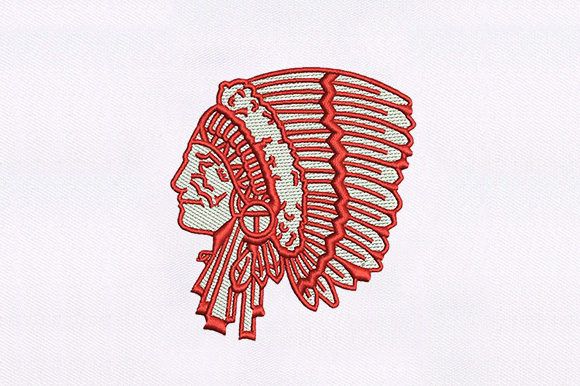
The term "redwork" is specific and telling. Historically, redwork refers to embroidery done in red thread on white or off-white fabric, often featuring simple, outline-based stitches. This technique is inherently classic, minimal, and highly readable. If Native Machine Design stays true to this tradition, it offers a distinct advantage: it is timeless. Unlike trendy graphics that fade in popularity after a season, redwork appeals to customers who value heritage, simplicity, and handmade charm.
The description mentions that the design takes you back in time when native American people were living their lives. This suggests motifs that might include tribal patterns, nature elements, or traditional symbols. For an Etsy seller, this positions the design perfectly within the "rustic," "boho," and "heritage" niches. It does not feel overly modern or flashy; instead, it feels grounded and authentic. This aesthetic is particularly strong for home decor and apparel that aims for a cozy, lived-in feel.
Product Applications for Small Shop Owners
When evaluating a new machine embroidery design, I always ask myself: "What can I make with this that will sell?" For Native Machine Design, the versatility of redwork opens several doors for a craft business.
- Kitchen Towel Embroidery: Redwork has deep roots in household linens. Embroidering this design on flour sack towels or tea towels creates an instant bestseller. These are low-cost items with high perceived value, especially during holiday seasons.
- Tote Bag Design: A canvas tote bag with a bold, single-color embroidered motif is a staple for eco-conscious shoppers. The simplicity of the design ensures it remains visible and striking against the natural fabric texture.
- Sweatshirt Embroidery: Minimalist embroidery on chest pockets or sleeves is trending. Using this design on neutral-colored sweatshirts can create a premium, boutique look that appeals to younger demographics interested in subtle cultural appreciation.
- Baby Embroidery: Soft, organic cotton onesies or baby blankets featuring gentle, historical motifs make for thoughtful personalized gifts. The single-color approach is also cost-effective for small batch production.
- Embroidered Patch: If the hoop size allows, this design could be digitized or used as-is to create iron-on patches, adding another revenue stream without sewing entire garments.
Commercial Viability and Buyer Psychology
From a buyer’s perspective, products featuring Native Machine Design feel more giftable and memorable. In a saturated market, customers are drawn to items that tell a story. The narrative of "taking you back in time" adds an emotional layer to the finished product. It transforms a simple towel or shirt into a piece of art with historical resonance.
Furthermore, redwork is incredibly photogenic. For online sellers, visibility is everything. A crisp red design on white fabric creates high contrast, making it pop in listing thumbnails and social media previews. This visual clarity helps potential customers understand the product instantly, reducing hesitation and potentially increasing conversion rates. Whether you are creating printable mockups for your shop or photographing actual samples, the clean lines of this style lend themselves to professional presentation.
Practical Seller Notes and Technical Considerations
While the artistic potential is clear, practical execution is where many sellers stumble. Before listing any handmade product featuring this design, there are critical steps to take.
- Confirm File Formats: The description states the design comes with multiple embroidery file formats. However, it does not list them explicitly. You must check the Creative Fabrica product page to ensure it includes the format compatible with your specific machine (e.g., PES, DST, JEF, XXX).
- Check Hoop Size: Redwork designs can vary significantly in scale. Verify the maximum hoop size required. If the design is large, you may need a 5x7 or 6x10 hoop, which limits the types of products you can easily embroider, such as caps or small patches.
- Review Stitch Density: Although redwork is typically light, some digitizations can be dense. Check the stitch count if available, or run a test stitch-out. High density can cause puckering on lightweight fabrics like kitchen towels, so proper stabilizer selection is crucial.
- Thread Color Testing: While "redwork" implies red, consider testing different thread colors. A deep burgundy or terracotta might offer a more modern twist while maintaining the rustic vibe. Ensure the thread contrasts well with your chosen fabric.
- Licensing Verification: Always review the license terms on Creative Fabrica. Most designs allow for commercial use of finished physical products, but restrictions may apply to digital resale or mass production. Confirm you are compliant before selling commercial embroidery items.
Final Verdict for Creative Entrepreneurs
Native Machine Design represents a solid addition to a curated collection of embroidery assets. It is not necessarily a high-volume, trend-chasing graphic, but rather a steady, reliable seller for niche markets. Its strength lies in its adaptability across various handmade products, from home decor to custom apparel. For the Etsy seller or small shop owner, it offers a chance to create items that feel authentic and crafted with care.
By focusing on quality materials, precise stitching, and compelling storytelling in your listings, you can leverage this design to build a loyal customer base. Remember to test thoroughly, photograph beautifully, and respect the cultural inspiration behind the motifs. With these practices, Native Machine Design can become a cornerstone of your creative inventory, helping you stand out in the competitive world of online handmade goods.